Tree Pruning in Chelsea
If you are looking for tree pruning in Chelsea, you are likely trying to solve a real problem: a tree that has become too heavy, too tall, too close to a building, or simply untidy after a few seasons of growth. In a place like Chelsea, where streets can be narrow, gardens can be compact, and many properties combine older planting with modern landscaping, the right pruning service makes a meaningful difference. Good pruning is not just about making a tree look neat. It is about improving structure, managing size, supporting healthy growth, and reducing risk around homes, businesses, pathways, walls, and neighbouring properties.
Chelsea has its own challenges when it comes to tree care. Some properties have mature ornamental trees in front gardens; others have sheltered courtyard planting, communal grounds, and established trees that need careful attention. There may also be limited access for machinery, controlled parking, or shared entrances that require extra planning. A local arboricultural team understands these details and can work around them safely and efficiently. Whether you need crown thinning, crown reduction, deadwood removal, or regular maintenance, choosing a team familiar with Chelsea helps ensure the work is carried out with care and minimal disruption.
Many customers search for pruning when they notice a tree casting too much shade, branches rubbing against a roof, or limbs hanging over a pavement or neighbouring boundary. In commercial spaces, the concerns can be different but just as important: visibility, safety for customers, clear access, and maintaining a professional appearance. Whatever the setting, well-planned tree pruning can improve light, preserve a tree’s shape, and extend the useful life of the tree without unnecessary removal.
Why tree pruning matters in Chelsea
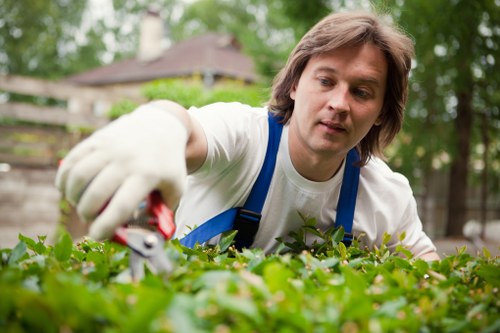
Tree pruning is a practical investment in the long-term condition of your property and your trees. In Chelsea, where many homes and businesses are designed with appearance and space efficiency in mind, trees need to be managed carefully so they remain an asset rather than a nuisance. Overgrown branches can block daylight, interfere with windows, create leaf build-up in gutters, and add strain to weaker limbs during windy weather. On smaller plots, even a healthy tree can quickly become too dominant if it is not pruned with a clear purpose.
Proper pruning is different from random cutting back. A skilled tree surgeon considers species, age, season, structure, and the specific result you want to achieve. For example, some trees benefit from light thinning to allow more light through the canopy, while others may need reduction to keep growth in proportion to the space. In conservation-minded or visually sensitive areas, pruning should be done with attention to the tree’s natural shape and the character of the surrounding street or garden.
Local customers often want a balance between neat presentation and tree health. That balance is especially important for mature trees in Chelsea, where established landscaping can add value to a property. Poor pruning can leave stubs, create weak regrowth, or stress the tree. Sensible pruning, by contrast, can help reduce hazards, maintain appearance, and encourage stronger, more controlled growth over time.
What our tree pruning service includes

When customers enquire about tree pruning Chelsea services, they usually want clarity about what is actually included. A good service should start with an assessment of the tree, the site, and the outcome you want. That may mean dealing with a single overextended tree in a town garden or managing several trees in a communal or commercial setting. The aim is always to carry out the work safely and with a clear reason behind each cut.
Typical pruning services may include:
- Crown reduction to reduce overall size while preserving a natural shape.
- Crown thinning to improve light penetration and reduce wind resistance.
- Deadwood removal to take out broken, dying, or unstable branches.
- Canopy lifting to raise the crown and clear access routes, drives, or walkways.
- Selective pruning to shape growth around buildings, signage, boundaries, or views.
- Formative pruning for younger trees that need structure early on.
In some cases, pruning is also used to address branches that are touching brickwork, fencing, gutters, or overhead lines. While the exact method depends on the tree species and condition, the goal is to remove only what is needed and avoid over-pruning. This is especially important for mature or ornamental trees, where the wrong cut can lead to poor regrowth or reduced vitality.
How tree pruning works from first enquiry to completion
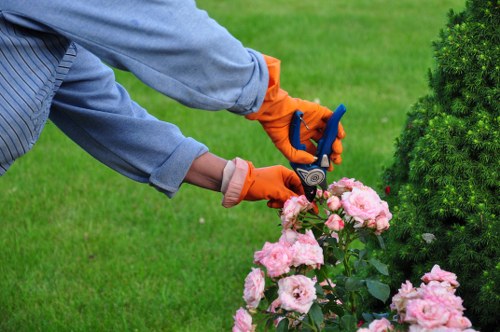
For many local customers, the process matters just as much as the result. You want to know what happens, how long it may take, and how much disruption to expect. A reputable local team will usually begin with a site visit or a detailed assessment, particularly if the tree is large, close to structures, or in a difficult access location. This early stage helps identify the right pruning method and any safety considerations that need to be addressed before work begins.
The usual process may look like this:
- Initial discussion about the tree, your concerns, and your desired outcome.
- Assessment of the tree’s condition, size, species, and location.
- Planning for access, waste removal, parking, and any site restrictions.
- Agreement on the pruning approach and scope of work.
- Safe pruning using suitable equipment and controlled techniques.
- Collection of arisings and tidying of the work area.
- Final review to make sure the tree and site are left in good order.
Because Chelsea includes a mixture of period homes, apartment buildings, mews properties, terraces, schools, retail premises, and office spaces, access planning can be a big part of the job. A local team that understands the area can make arrangements more smoothly, which helps reduce delays and disruption. That local experience can be especially useful where parking is limited, pathways are narrow, or work has to be timed around residents and customers.
Common reasons people request pruning in Chelsea
There are many practical reasons people book pruning services, and these vary between private gardens and commercial properties. In Chelsea, one of the most common reasons is simply that a tree has outgrown its setting. A tree that looked perfectly sized a few years ago may now overshadow a patio, reduce daylight in a living room, or create unwanted shade over planted borders. In other cases, a branch may be interfering with a roofline, balcony, or shared boundary, making maintenance more difficult.
Another common reason is safety. Trees with dead, weakened, or overextended branches may present a risk during storms or strong winds. Pruning can help reduce that risk by removing compromised growth and improving the tree’s balance. For commercial properties, a tidy, well-maintained tree line also contributes to a better first impression for visitors, tenants, and customers. Good pruning supports both practicality and presentation.
Typical customer concerns include:
- Branches hanging over neighbouring properties or public walkways.
- Too much shade in gardens, courtyards, or reception areas.
- Trees blocking signage, windows, or entrances.
- Dead or damaged limbs that need attention.
- Trees becoming too large for the available space.
- Regular maintenance for a neat, controlled appearance.
In residential streets around Chelsea, the aim is often to keep trees attractive while reducing inconvenience. In business settings, the focus may be on maintaining access, visibility, and safety without compromising the character of the landscape. Either way, pruning should solve a problem while respecting the tree.
Why choosing a local Chelsea team makes a difference

Working with a local company for tree pruning in Chelsea offers real practical benefits. Local teams are more likely to understand the layout of the area, the typical property types, and the access issues that can arise on smaller streets or busy roads. They are also better placed to plan around local conditions such as shared driveways, restricted loading areas, controlled parking, and sensitive neighbours who need notice of work.
There is also value in dealing with arborists who regularly work in places like South Kensington, Knightsbridge, Belgravia, Battersea, Fulham, and the wider west London area. These nearby districts often present similar challenges: mature planting near listed buildings, compact front gardens, commercial forecourts, and places where careful handling is essential. A local team understands that pruning in Chelsea is rarely a one-size-fits-all job. It requires judgement, communication, and attention to detail.
Another benefit is responsiveness. When a branch has become a concern or a tree needs seasonal maintenance, local availability matters. If you are planning work ahead of spring growth, dealing with storm damage, or preparing a property for sale or letting, having a nearby team can make scheduling easier. For many customers, a local service offers the best combination of convenience, knowledge, and practical problem-solving.
Tree species and pruning considerations
Different trees need different approaches
Tree pruning in Chelsea often involves a wide mix of species, from ornamental garden trees to more substantial mature specimens. Not every tree responds well to the same treatment. Some species tolerate reduction or thinning more readily, while others need a lighter touch. The right pruning method depends on how the tree grows naturally, the time of year, and what you are trying to achieve at the site.
For example, flowering trees may need pruning at a time that protects future blossom. Mature shade trees may need careful canopy management to avoid excessive stress. Evergreen species often require a different approach from deciduous trees, especially where the aim is to preserve screening while controlling bulk. A local arborist should always consider the tree’s health and the likely regrowth pattern before making cuts.
Customers do not need to know every technical detail, but it helps to understand that good pruning is species-aware. That is one reason experienced professionals are useful: they can recommend a method that suits both the tree and the property, rather than simply reducing height or width without a plan.
Examples of pruning aims
For small garden trees: maintain an attractive shape, improve light, and prevent crowding near paving or planting beds.
For mature trees: reduce weight on specific limbs, improve structure, and keep the canopy balanced.
For boundary trees: prevent encroachment, protect neighbour relations, and preserve privacy where possible.
For commercial sites: ensure a clean, professional appearance and safe movement around entrances and pathways.
Seasonal timing matters too
Some pruning can be done throughout the year, while other work is better scheduled during dormant periods or outside flowering times. If you are unsure when to book, it is worth asking for advice based on the tree type and your reason for the work. The right timing can improve the result and support healthier recovery.
Residential tree pruning for Chelsea homes
Chelsea homeowners often need pruning for practical, visual, and neighbourly reasons. A tree in a front garden may need shaping so it does not dominate the frontage. A rear garden tree may need lifting or thinning so the space feels brighter and more usable. In mews houses, terraces, and apartments with shared outdoor areas, pruning can help maintain a cleaner, calmer setting without creating unnecessary mess or disruption.
Residents may also want pruning before or after other work such as painting, roof repairs, paving, or garden redesign. If branches are hanging over an extension, conservatory, or upper storey windows, a controlled reduction may be the most appropriate option. And in smaller gardens, even one tree can affect the whole space, so careful pruning can make the area feel more balanced.
Common residential benefits include:
- More natural light inside the home and garden.
- Better views and improved sightlines.
- Reduced leaf fall and easier maintenance.
- Improved structure and reduced likelihood of branch failure.
- More usable outdoor space.
For homeowners in Chelsea, keeping a tree healthy and tidy can also support the wider look and feel of the property. A well-pruned tree contributes to kerb appeal without appearing harsh or overworked. That is the balance most people are looking for.
Commercial tree pruning for businesses and managed properties
Commercial customers in Chelsea may need pruning for very different reasons from homeowners, but the underlying goal is similar: keep trees safe, attractive, and appropriate for the site. Shops, restaurants, offices, hotels, schools, and managed residential developments all benefit from trees that are under control and easy to maintain. Trees that obscure entrances, signage, or windows can affect the customer experience and make the site feel less cared for.
For business premises, pruning work often needs to be completed with minimal interruption. That can mean planned scheduling, sensible waste handling, and careful coordination with staff, residents, or visitors. A local tree team can help ensure the work is done efficiently and with respect for the daily running of the property. In busy settings, that practical approach is often just as important as the pruning itself.
Commercial tree pruning may be particularly useful when:
- Branches interfere with pedestrian flow or vehicle access.
- Canopies block lights, cameras, signage, or shopfront visibility.
- There is a need to improve the appearance of a frontage.
- Maintenance must be scheduled around trading hours or occupancy.
- The property manager needs an ongoing tree care plan.
By keeping the trees well managed, businesses and landlords can present a cleaner, safer, and more welcoming property to everyone who uses it.
Access, parking, and site logistics in Chelsea
One reason people value local tree pruning services in Chelsea is that the logistics can be tricky. Streets may be narrow, parking may be limited, and some properties have no easy rear access. This matters because pruning work often requires equipment, safe loading and unloading, and enough room to carry out the task without creating unnecessary disruption. A team that already works in the area is more likely to plan realistically for these conditions.
Before work starts, it is sensible to think about access for the crew, where vehicles might be able to stop, and whether branches will need to be lowered in sections. In some cases, work may need to be coordinated with neighbours, building management, or site staff. Planning ahead helps avoid delays and keeps the job efficient. It also reduces the chances of accidental damage to planting, paving, or nearby surfaces.
If your property is close to busy streets or shared entrances, it is worth discussing the layout in advance. Local experience can help the team adapt to the site rather than forcing the site to fit the job. That flexibility is especially valuable in Chelsea, where every property can seem slightly different from the next.
What affects the cost of tree pruning?
Customers often want to know what influences pricing before they request a quote. While exact costs depend on the site and the tree, there are several common factors that shape the scope of the work. Pruning a small tree in an open garden is very different from pruning a tall tree close to a building or a canopy over a busy pedestrian area. The more complex the site, the more planning and equipment may be needed.
Factors that can affect the quote include:
- The size, height, and spread of the tree.
- The type of pruning required.
- Access to the tree and space to work safely.
- Whether waste needs to be removed from a restricted site.
- How many trees need attention at the same property.
- Any need for additional safety controls or traffic awareness.
- The condition of the tree and whether it has dead or damaged limbs.
It is usually best to request a site-specific assessment rather than relying on general assumptions. That allows the team to recommend the right level of work and avoids paying for unnecessary cutting. A clear, honest scope is the best starting point for any tree care job.
Contact us today if you want to discuss the work you need and request a free quote based on your property and the tree in question.
How to prepare for pruning day
Most pruning jobs run more smoothly when the property owner or manager prepares a few basic things in advance. You do not usually need to do much, but a little planning can make the visit quicker and safer. This is especially true in Chelsea, where access and parking can be part of the challenge. If the crew can reach the tree easily and has a clear understanding of the site, the work can begin without unnecessary delays.
A simple preparation checklist might include:
- Move any cars, bikes, or garden furniture away from the work area.
- Keep access gates, side passages, or communal entrances clear.
- Let neighbours or building management know if branches extend over shared boundaries.
- Remove delicate items from patios, balconies, or nearby windowsills where practical.
- Check whether pets or children need to be kept away from the area during the work.
- Confirm any site rules, permit needs, or timing restrictions in advance.
It is also useful to be clear about your expectations. If you want more light, a neater outline, clearance from a roof, or reduced overhang, say so at the start. The more specific the objective, the easier it is to achieve a result you are happy with. Good communication helps the pruning team deliver the right outcome.
Why choose a specialist for tree pruning in Chelsea?
Tree pruning may look straightforward from the outside, but the quality of the result depends on knowledge and judgement. A specialist understands how cuts affect future growth, how much can be safely removed, and how to protect the shape and health of the tree. They also know when pruning is the right solution and when another approach may be better. That matters because over-pruning can be as problematic as leaving a tree unmanaged.
Choosing a specialist is particularly important in a location like Chelsea, where trees often sit close to buildings, paved areas, and neighbouring properties. The right team should be able to work carefully in confined spaces, manage waste efficiently, and leave the site tidy. They should also be willing to explain the reasoning behind the proposed work in straightforward language.
In short, a specialist provides more than cutting. They provide a considered service that helps you protect your property, maintain your trees, and make practical use of your outdoor space. That combination of skill and local understanding is what many Chelsea customers are looking for.
Book your service now if you already know your trees need attention and would like a professional assessment.
Areas covered around Chelsea
Customers looking for pruning in Chelsea often also need service in nearby areas where property types and access conditions are similarly varied. Local tree teams commonly support homes, landlords, managing agents, and businesses across the surrounding neighbourhoods, bringing the same careful approach to each site.
Nearby areas may include:
- South Kensington
- Knightsbridge
- Belgravia
- Fulham
- Battersea
- Westminster
- Earls Court
- Paddington
If your property is just outside Chelsea but still in west or central London, it is still worth asking whether the team can help. Local coverage is often broader than one street or district, and the practical experience gained in Chelsea can be useful in many nearby settings.
Frequently asked questions
How often should trees be pruned?
The frequency depends on species, age, and location. Some trees only need attention every few years, while others benefit from lighter, more regular pruning to maintain shape and safety. If a tree is near a building or in a small garden, it may need more frequent monitoring.
Will pruning harm my tree?
When done properly, pruning should support the tree rather than damage it. Problems usually arise when too much is removed or cuts are made in the wrong places. That is why a measured, species-aware approach is important.
Can pruning improve more daylight in my property?
Yes, in many cases. Crown thinning or selective reduction can help admit more light without stripping the tree. The exact result depends on the tree’s size, density, and position.
Do I need permission before pruning?
Some trees may be protected by a Tree Preservation Order or by conservation area controls. If that applies, it is important to check before work starts. A professional team should be able to flag this as part of the enquiry process.
Can you prune trees close to buildings?
Yes, but it requires more care and planning. Trees near walls, roofs, windows, and balconies need controlled work and the right equipment. That is one reason customers often choose an experienced local team.
What happens to the branches and waste?
In most cases, the pruned material is collected and removed from site, leaving the area tidy. If you have a specific preference for waste handling, it is best to mention that before the job begins.
How do I know whether my tree needs pruning or removal?
That depends on the condition of the tree, the extent of the problem, and the space available. Sometimes pruning is enough to solve the issue; in other cases, a different option may be more appropriate. A site visit or assessment is usually the best way to decide.
Ready to arrange tree pruning in Chelsea?
If your tree is starting to crowd the space, block light, or create safety concerns, now is a good time to act. A well-managed pruning service can help improve the look, condition, and practicality of your property while keeping disruption under control. Whether you need a one-off visit or regular tree maintenance, working with a local team gives you the benefit of practical experience and a service tailored to Chelsea’s property mix.
Contact us today to discuss your tree, request a free quote, or book your service now. If you are unsure what kind of pruning you need, that is completely fine — a professional assessment can help identify the most suitable approach for your home, garden, or business premises.
For customers in Chelsea, the right pruning service should feel straightforward, careful, and responsive to local conditions. From small decorative trees to larger mature specimens, a thoughtful approach can make all the difference.