Crown Reduction in Chelsea
If you are looking for crown reduction in Chelsea, you are probably trying to solve a real problem: a tree that has become too large for the space, is starting to block light, is reaching toward a building, or simply needs careful professional shaping to stay healthy and manageable. In a place like Chelsea, where gardens, courtyards, terraces, communal grounds, and commercial frontages are often compact and closely shared, the right tree work needs to be both precise and considerate. A well-planned crown reduction can help bring a tree back into balance without making it look harsh or stressed.
Local properties in Chelsea range from elegant period homes and mews houses to apartment gardens, managed estates, business premises, and private courtyards. Many of these spaces have limited access, tight boundaries, mature planting, and nearby structures that require a thoughtful approach. That is why a local tree surgery team familiar with Chelsea conditions can make such a difference. The work must be carried out carefully, with attention to the tree’s structure, the needs of the property, and the expectations of neighbours, residents, or building managers.
Whether you need more light, safer clearance, better proportions, or a way to manage growth without removing the tree entirely, crown reduction can be a practical and attractive solution. Contact us today to discuss your tree and request a free quote for professional crown reduction services in Chelsea.
What crown reduction means for Chelsea properties

Crown reduction is the selective shortening of a tree’s branches to reduce the overall height and spread of the canopy while keeping the natural shape as much as possible. It is not the same as topping, which can leave a tree stressed and unsightly. A proper reduction is done with care, using clean pruning cuts and a clear understanding of tree biology. The aim is to reduce bulk, improve structure, and help the tree sit better in its surroundings.
In Chelsea, crown reduction is often requested for trees that have outgrown courtyard gardens, are shading living spaces too heavily, or are encroaching on roofs, windows, pedestrian routes, or neighbouring boundaries. It is also common in communal gardens where residents want to preserve mature trees but make them more suitable for shared outdoor space. For commercial clients, the service can help keep frontage trees neat, safe, and in proportion with the building.
When carried out correctly, crown reduction can improve light levels, reduce wind resistance, and lower the risk of branch failure in vulnerable parts of the canopy. It can also help maintain valuable mature trees where complete removal would be unnecessary or undesirable. That balance between preservation and practicality is often exactly what Chelsea property owners are looking for.
Why local expertise matters in Chelsea
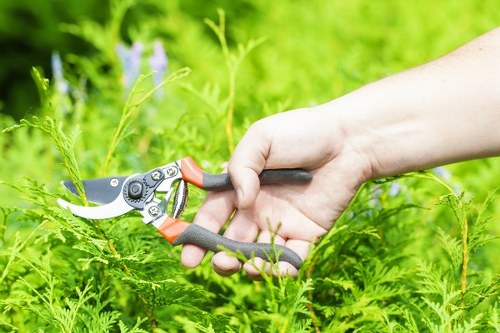
Tree work in Chelsea is rarely straightforward. Access may be limited by narrow side passages, basement entrances, shared mews lanes, internal courtyards, or rear gardens with no vehicle access. Parking can be difficult, and in many areas the crew may need to plan equipment movements carefully to avoid disrupting residents, customers, or nearby businesses. A local team understands these everyday realities and can plan the job around them.
There is also the matter of property style. A tree beside a Kensington and Chelsea town house, a stucco façade, a landscaped private garden, or a commercial terrace should be reduced with a keen eye for appearance and proportion. Chelsea customers often want the tree to look natural after the work, not heavily cut back. Achieving that result requires experience, restraint, and an understanding of how different species respond to pruning.
Local knowledge is useful not only for the tree itself but for the way the job is delivered. A crew familiar with the area will usually arrive with access planning in mind, know how to work tidily in confined spaces, and be ready to adapt if scaffolding, sensitive planting, or neighbour boundaries affect the operation. For many customers, that practical reassurance is just as important as the pruning itself.
When crown reduction may be the right choice
Not every tree needs the same treatment. Crown reduction is often suitable when a tree has become too large for its setting but still has good structural integrity and healthy growth. It can be a strong option where you want to keep the tree but ease its impact on the property. This is especially common in Chelsea gardens where mature trees may have been planted years ago and now need careful management.
Typical reasons customers ask about crown reduction in Chelsea include the following:
- Branches are growing too close to the house, roofline, or upper windows.
- The tree is blocking daylight into a garden room, kitchen, or patio.
- The canopy is overhanging a neighbour’s boundary or shared space.
- Wind exposure is causing movement or concern about branch stress.
- The tree has become visually heavy or unbalanced.
- Commercial or managed sites need a cleaner, more controlled appearance.
- There is a desire to keep the tree while reducing future conflict with structures.
It is important to note that crown reduction is not suitable for every tree in every condition. The species, age, previous pruning history, and overall health all matter. A responsible tree surgeon will assess the tree first and explain whether reduction, selective pruning, crown thinning, deadwood removal, or another method is more appropriate.
How the service works
A professional crown reduction service should feel organised, tidy, and straightforward. The process usually begins with an on-site assessment, where the tree’s condition, location, access, and customer objectives are discussed. In Chelsea, this initial look is especially important because the surroundings often shape what is possible. A tree in a small rear garden may need a very different approach from a tree in a communal square or outside a commercial property.
The next step is planning the work. This includes identifying which limbs need shortening, how much canopy can be removed without compromising the tree, and what will happen with the cut material. The team will also consider whether any additional work is required, such as removing dead, damaged, or crossing branches. If access is awkward, the team may decide to use sectional dismantling techniques, rope and harness methods, or carefully positioned lowering systems to protect walls, planting, and paving.
On the day, the work is carried out with attention to safety, tree health, and site cleanliness. Branches are cut back to suitable growth points where possible, rather than simply shortening at random. The result should be a more compact, balanced crown that still looks like a tree, not a stump with regrowth. Once the reduction is complete, the site is cleared of debris, and the final appearance is checked to ensure it suits the property.
What is included in crown reduction
Customers often want to know what they are actually paying for when they book crown reduction in Chelsea. While each job is different, a well-managed service commonly includes a combination of assessment, pruning, waste handling, and tidy finish. The exact scope depends on the tree and the site, but the core aim remains the same: reduce the size of the crown in a controlled and thoughtful way.
Common elements of the service include:
- Initial inspection of tree health, structure, and access.
- Discussion of the desired reduction and the areas of concern.
- Selective pruning back to suitable growth points.
- Balance and shape correction to preserve the tree’s natural form.
- Removal of dead or damaged wood where needed as part of the work.
- Careful handling of branches and cuttings throughout the job.
- Clear-up and waste removal so the site is left tidy.
For customers with restricted outdoor space, the tidying-up phase is particularly valuable. In many Chelsea homes and premises, there is little room to store branches or wait for waste to be moved, so a clean finish matters just as much as the pruning itself. A good service should reduce hassle, not create more of it.
Benefits for homeowners, landlords, and businesses
Crown reduction can deliver practical benefits across a wide range of Chelsea properties. Homeowners often look for more daylight, a better view, or a garden that feels less enclosed. Landlords may want to keep outdoor areas attractive and manageable between tenancies. Building managers and commercial clients may need trees to remain neat and controlled without affecting access, signage, or customer experience.
Some of the most common benefits include:
- Improved natural light into rooms and gardens.
- Less pressure on walls, gutters, roofs, and boundary structures.
- Reduced likelihood of branches interfering with footpaths, driveways, or public-facing areas.
- A tidier appearance for front gardens, courtyards, and business entrances.
- Better long-term tree management without removing mature planting.
- More usable outdoor space in compact urban settings.
For Chelsea residents, the value is often in preserving the character of the garden while making it usable again. Mature trees add privacy, softness, and seasonal interest, but they must be kept in proportion with the property. Crown reduction offers a middle ground between leaving a tree untouched and removing it completely.
Species, structure, and care considerations
Different trees respond differently to reduction, and a responsible service should take that seriously. Some species tolerate pruning well and can recover strongly, while others may need a lighter touch. The age and previous history of the tree also matter. A tree that has been reduced before may need a carefully managed follow-up, while an older tree with a large canopy may require staged work rather than a heavy single reduction.
In Chelsea, mature ornamental trees are often found in private gardens, shared residential courtyards, and landscaped communal settings. These can include species chosen for their shape, blossom, or seasonal colour, so any pruning should aim to protect their overall character. Over-pruning can change how a tree grows, so the right level of reduction is important. Good tree surgery is as much about restraint as it is about cutting.
Healthy pruning is selective, measured, and sympathetic. It should support the tree’s future stability and appearance. If the tree has signs of disease, decay, or poor structure, additional recommendations may be needed. In some cases, crown reduction may be paired with deadwood removal, selective thinning, or a broader management plan to help the tree remain safe and attractive over time.
Access, parking, and site logistics in Chelsea
One of the biggest differences between tree work in Chelsea and tree work in less compact areas is logistics. Access can be tight, with limited parking, controlled streets, narrow gates, and shared entrances. That means the team has to think ahead about where equipment can be placed, how arisings will be removed, and how to avoid obstructing neighbours or disrupting business operations.
This matters for both residential and commercial customers. A rear garden that can only be reached through the property may require manual transport of tools and waste. A tree on a busy frontage may need a clean, efficient setup so pedestrian access remains safe. Communal grounds may need the work timed to minimise disturbance to residents or visitors. In each case, a local company with Chelsea experience can adapt the approach to suit the site.
It is also common for local customers to want the work completed with care for surrounding features. That can include lawn edges, planted beds, paving, boundary fences, exterior lighting, and decorative finishes. A professional team should use methods that protect these details while still completing the reduction properly. Tidy execution is a major part of what makes the service feel worthwhile.
Preparation checklist before the work begins
Preparing well can make the job smoother and help the team work efficiently on the day. If you are arranging crown reduction in Chelsea, a few simple steps can help reduce delays and avoid misunderstandings. You do not need to do any heavy lifting yourself, but it is useful to make the site as accessible as possible.
Before the visit, consider the following:
- Move vehicles if access to the driveway, forecourt, or loading area is needed.
- Let residents, tenants, or neighbouring occupants know that tree work is taking place.
- Clear fragile items from patios, balconies, or garden furniture areas near the tree.
- Provide access details for gates, side paths, or shared entrances.
- Highlight any underground features, delicate planting, or recent landscaping nearby.
- Share any concerns about overhang, light, safety, or desired shape before the work starts.
These simple steps help the crew concentrate on the pruning itself. If your property is within a managed development, leasehold building, or commercial site, it can also help to confirm any site rules in advance. That is especially useful in Chelsea where shared access arrangements are common and thoughtful coordination keeps everything running smoothly.
Pricing factors for crown reduction
Because every tree and site is different, pricing for crown reduction is usually based on several practical factors rather than a fixed one-size-fits-all figure. This is especially true in Chelsea, where access, tree size, canopy spread, and site conditions can vary significantly from one property to the next. A clear quote should reflect the actual work involved and the complexity of the location.
Typical pricing factors include:
- The height and spread of the tree.
- The amount of canopy reduction required.
- The species and condition of the tree.
- How easy or difficult the access is.
- Whether waste can be removed directly or must be carried through the property.
- Additional services such as deadwood removal or selective pruning.
- Site constraints such as nearby buildings, paving, or parked vehicles.
If you want a realistic idea of cost, the best approach is to request a site-specific quote. That gives you a clearer understanding of what is included and helps avoid surprises later. Contact us today to request a free quote and discuss the best option for your tree.
Why choose a local company for crown reduction in Chelsea
Choosing a local company is about more than convenience. It means working with people who understand the mix of property types, access limitations, neighbour considerations, and aesthetic expectations that are common in Chelsea. A local team is more likely to arrive prepared for narrow routes, shared gardens, and restricted parking, which makes the whole job feel easier from the customer’s point of view.
Local knowledge also helps with judgment. A tree surgeon who regularly works in the area will understand that many customers want to preserve the look of mature planting while making it more practical for modern living. They will know how to balance the needs of the tree against the realities of compact gardens, terrace homes, and busy commercial settings. That kind of practical experience can lead to a better end result.
For many customers, the ideal provider is one who can combine technical pruning skills with sensible site planning and a tidy finish. That is exactly what makes local service worthwhile. You get a team that understands Chelsea conditions, communicates clearly, and carries out the work in a way that suits both the tree and the property.
Areas covered around Chelsea
Customers looking for crown reduction in Chelsea often also have properties or trees nearby in surrounding neighbourhoods. Service can commonly extend into nearby parts of west and central London where similar property types, access issues, and mature planting are found. If you are unsure whether your location is covered, it is sensible to ask when requesting a quote.
Nearby areas may include:
- South Kensington
- Knightsbridge
- Brompton
- Belgravia
- Fulham
- Westminster
- Holland Park
- Earls Court
Whether your tree is in a private garden, on a managed estate, beside a townhouse, or at a business premises, the same principles apply: thoughtful pruning, careful site handling, and a finish that suits the location. A local team can often tailor the visit around the layout and pace of your property.
Frequently asked questions
Is crown reduction the same as tree topping?
No. Crown reduction is a selective pruning method that shortens branches back to suitable growth points and aims to preserve the tree’s shape and health. Topping is a much harsher practice and can leave the tree vulnerable to poor regrowth and long-term damage.
How much can a tree be reduced?
That depends on the species, condition, and site. A sensible reduction should be based on the tree’s natural structure and future health, not on an arbitrary target. A professional assessment is the best way to determine what is appropriate.
Will the tree still look natural afterwards?
It should, if the work is carried out well. The goal is to reduce size while keeping a balanced, attractive shape. In Chelsea, where appearance matters, this is especially important.
Can crown reduction help with more light in my property?
Yes. Reducing the canopy can improve natural light into gardens, rooms, and outdoor seating areas. It will not turn a shaded site into full sun, but it can make a noticeable difference.
Does the service include waste removal?
It usually should, but the details depend on the quote. Always check what is included so you know whether branches, leaves, and other arisings will be removed from the site.
Do I need permission before reducing a tree?
Some trees may be protected or subject to local controls, especially in conservation areas or where preservation orders apply. It is sensible to confirm the situation before work begins.
How long does the work take?
Timing depends on tree size, access, and the amount of work required. Smaller trees in open areas can be quicker, while larger trees or complex Chelsea sites may take longer.
Can you work in tight access gardens?
Yes, many crown reduction jobs involve restricted access. Careful planning, the right equipment, and an experienced crew are all important in these situations.
Book your crown reduction service now
If your tree is becoming too large, blocking light, or starting to feel out of proportion with your Chelsea property, crown reduction may be the right solution. The key is to have the work done thoughtfully so the tree remains healthy, attractive, and suitable for its setting. From compact private gardens to commercial frontage trees and shared residential spaces, the right pruning can make a noticeable difference to how your property feels and functions.
We understand the practical realities of working in Chelsea, including access restrictions, parking challenges, neighbour considerations, and the need for a neat finish. That local awareness helps ensure the job is handled with care from start to finish. Request a free quote, contact us today, or book your service now if you are ready to discuss your tree and arrange an assessment.
Professional crown reduction in Chelsea should leave you with a safer, better-balanced tree and a space that works more comfortably for daily life.